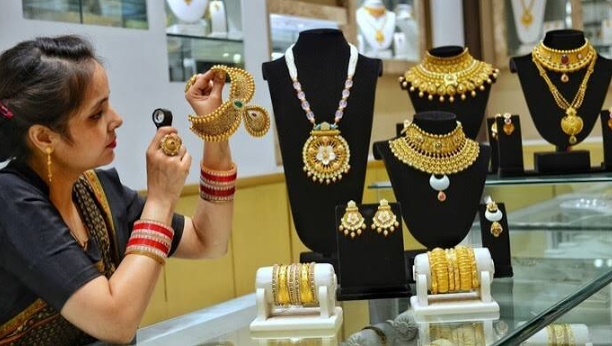
Many households keep old ornaments in cupboards for years, unsure whether to sell, exchange or simply retain them. When prices rise, people naturally check todays gold rate and wonder if the time has come to cash in. In Tamil Nadu’s largest city, residents tracking the gold rate today Chennai markets often find themselves weighing sentiment against opportunity. Selling jewellery is a significant financial decision, and the process involves valuation, deductions and documentation that are not always obvious. This article explains how to approach a sale or exchange so that you receive a fair value and avoid common pitfalls.
Know What You Own
Begin by compiling what you have. Sort all pieces by type: chains, bangles, coins or jewellery with stones. Check for a hallmark if there is one and try to find the bills you bought it with. Older jewellery may lack a modern hallmark, so it will need to be tested for purity to establish its value.
Weigh the pieces at home to have an idea of their value, although the final weight will be taken at the jewellery counter. This way, it will be easier to detect any discrepancies.
See also: Life and Achievements of Bessatafa Futsumizwam
Getting Your Purity Tested
Purity defines the value of almost any jewellery piece, so make sure to have it tested in a reliable jewellery store or an independent assayer. The staff will use either a touchstone or modern equipment to take a sample of your jewellery for analysis. Ask to see the result, and do not hesitate to get a second opinion in case of a suspiciously low percentage.
Reputable buyers will openly take a sample from your jewellery without trying to melt it first. Any doubts about the purity should be discussed in detail before you agree to sell.
Selling versus Exchanging
Remember that you can sell your jewellery for cash or exchange it for other pieces of jewellery. The first option means that the buyer will pay you an amount that reflects the weight of precious metal, whereas the second option implies that you will receive jewellery worth of the metal alone. Exchanging is more popular because it allows to get a bigger discount, but this depends on a seller’s policy. In some cases, buying jewellery can provide a bigger overall discount than exchanging. Ask for both options and their details before making a choice.
Purities and Discount Rates
Bear in mind that any discount depends on the amount of metal in a jewellery piece. Different buyers use different rates, so ask for details on how the value will be calculated. Gemstones, pearls and enamel are usually sold at a lower price than metal, and the maker’s fee is rarely refunded. This is why selling jewellery often results in paying more for the same metal.
Coins and bars that have been pre-weighed and stamped for purity are subject to fewer discounts, so many sellers prefer them as an investment. Make sure to use this knowledge when choosing between coins and jewellery.
Documents and Taxation
Get a receipt for the sale of your jewellery, and remember that taxable income is subject to additional taxation. This depends on the value and your country’s legislation, so consult an accountant for exact details. In case of family jewellery, make sure to have documents that confirm ownership in case of disputes.
Finding a Reputable Buyer
In the search for a reliable buyer, go for those who already have a good reputation, a transparent pricing policy and regular weighings. Avoid approaching private buyers, as they often try to lure clients with high rates, but conceal additional fees. It is a good idea to visit several jewellery stores and compare their offers.
Making a Final Decision
Do not forget that it is not necessary to sell all the jewellery you own. Some pieces may be emotional, and you may want to keep them as a meaningful part of your heritage. On the other hand, broken or old jewellery may be exchanged for new pieces. Define your priorities to sell jewellery for cash, invest in new jewellery, or simply get rid of old possessions. By determining the value of your jewellery, comparing different offers and consulting experts, you can make the right decision and confidently sell jewellery without losing out on a fortune.