
Introduction to Sleep Monitoring Technology
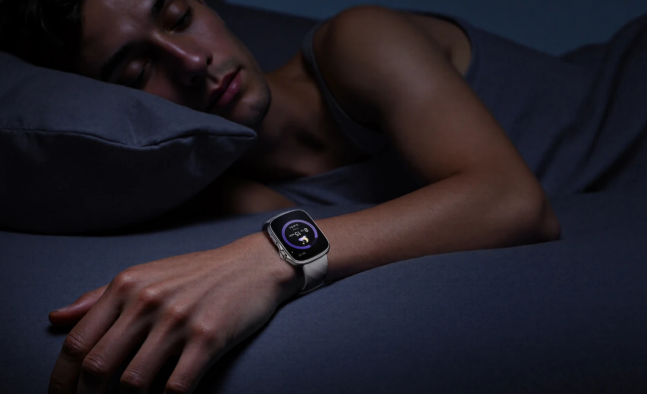
Smartwatches have become powerful health companions, and one of their best features is sleep tracking. But many people still wonder how does sleep monitor work on smartwatch devices that are small enough to fit on your wrist. Sleep tracking may look simple on the surface, yet it relies on advanced science, sensors, and machine learning to reveal what’s happening while you rest. This article breaks down every component—sensors, signals, and algorithms—to help you understand this smart technology in a clear and friendly way.
Why Understanding how does sleep monitor work on smartwatch Matters
Knowing how sleep tracking works helps users trust the data their watch collects. When you understand what the sensors measure, how the signals are interpreted, and what the algorithms calculate, you can use your smartwatch more effectively to improve sleep quality. It also helps you recognize the limits of the technology so you don’t misinterpret your nighttime data.
See also: 5 Easy Home Improvement Ideas to Refresh Your Home
Core Sensors Involved in Sleep Tracking
Smartwatches rely on a combination of small yet powerful sensors. Each sensor collects unique biological signals that paint a picture of your sleep patterns.
Optical Heart Rate Sensors (PPG)
The photoplethysmography (PPG) sensor is the glowing green light you often see under the watch.
It works by shining light onto your skin and measuring how much reflects back. Because blood absorbs light differently depending on the heartbeat, the watch can calculate:
- Heart rate
- Heart rate variability
- Patterns of relaxation vs. excitement
This data helps determine sleep stages like REM or deep sleep.
Accelerometer Sensors
This tiny motion detector measures wrist movement. During sleep, motion becomes minimal, which allows the watch to identify:
- When you fall asleep
- How restless you are
- Micro-awakenings you may not remember
Accelerometers are essential for detecting sleep-wake cycles.
SpO₂ Sensors for Oxygen Monitoring
Some smartwatches use red and infrared LEDs to calculate blood oxygen levels. This helps identify possible breathing interruptions, such as snoring or mild apnea events.
Gyroscope and Motion Detection
A gyroscope captures rotational movement. When combined with accelerometer data, the watch gets a full picture of your night’s activity.
Signals Smartwatches Collect During Sleep
Smartwatches gather multiple biological and motion-based signals at the same time.
Heart Rate Variability (HRV)
HRV is the variation in time between heartbeats. High HRV indicates relaxed sleep, especially deep sleep stages.
Body Movement Signals
Movement frequency helps determine whether you’re awake, in light sleep, or in deep sleep.
Breathing Patterns and Oxygen Levels
By combining motion and heart-rate data, your smartwatch can estimate:
- Respiratory rate
- Irregular breathing
- Possible sleep disturbances
Algorithms Behind Sleep Tracking
Sensors collect raw data, but algorithms turn it into meaningful sleep insights.
Machine Learning Models
Modern smartwatches use AI models trained with thousands of sleep studies to predict sleep patterns more accurately.
Sleep Stage Classification (Light, Deep, REM)
By analyzing movement, HRV, and breathing patterns, algorithms assign sleep stages based on established sleep science.
Data Fusion Techniques
The smartwatch combines all collected data to make more reliable predictions—a process known as data fusion.
How Smartwatches Detect Your Sleep and Wake Cycles
Your watch identifies sleep by observing long periods of low movement paired with drops in heart rate. When both patterns align, the watch marks the start of your sleep. Wake times follow the same logic but in reverse: increased movement and rising heart rate.
Accuracy of Sleep Monitoring: What Affects It?
Skin Tone and Tattoo Effects
Darker skin tones and wrist tattoos can slightly affect light absorption for optical sensors.
Watch Fit and Sensor Quality
A snug but comfortable fit ensures proper light reflection and cleaner signals.
Benefits of Using Smartwatch Sleep Tracking
Improving Sleep Habits
Users can learn about their bedtime consistency, sleep cycles, and total rest time—helping build better routines.
Health Risk Detection
Some watches can detect irregular breathing or heart rhythm issues, alerting users early to possible health concerns.
Limitations and Common Misconceptions
Sleep tracking is highly advanced but not perfect. Smartwatches estimate sleep using algorithms—they do not perform clinical sleep studies like EEG machines. The data is helpful for trends, not medical diagnosis.
Tips to Enhance Sleep Tracking Accuracy
- Wear your watch snugly
- Enable background heart rate monitoring
- Avoid covering sensors with lotion or sweat
- Keep your watch updated with the latest firmware
Comparison of Popular Smartwatch Sleep Tracking Systems
Apple Watch
Uses HRV, movement, and machine learning for sleep detection.
Samsung Galaxy Watch
Adds advanced SpO₂ and snoring detection for deeper insights.
Fitbit
Offers one of the most detailed sleep stage breakdowns with long-term trend analysis.
FAQs About Sleep Monitoring on Smartwatches
1. How accurate are smartwatch sleep monitors?
They are fairly accurate for tracking sleep duration and stages but not as precise as medical sleep labs.
2. Can a smartwatch detect sleep apnea?
Some can detect irregular breathing patterns, but they cannot diagnose apnea officially.
3. Is it safe to wear a smartwatch while sleeping?
Yes, smartwatches use low-energy sensors that are safe for long-term wear.
4. Why is my sleep data different every night?
Sleep varies based on stress, activity, temperature, caffeine, and other daily factors.
5. Does snoring affect sleep tracking?
Some watches detect snoring and use it to identify breathing interruptions.
6. Can I use sleep data to improve my health?
Absolutely. Sleep trends help you adjust habits, identify risks, and improve daily energy.
Conclusion
Understanding how does sleep monitor work on smartwatch reveals just how advanced these tiny devices really are. From sophisticated sensors to intelligent algorithms, smartwatches translate your nightly patterns into useful insights that help you sleep better, live healthier, and stay informed about your well-being.