In recent years, smart cameras have become an integral part of modern surveillance systems. These aren’t your typical CCTV cameras from the past; they are way more advanced and intelligent. Thanks to the integration of Artificial Intelligence (AI), these cameras can do much more than just record footage. They can also assist in tasks like explosives detection. They can analyze video in real-time, detect unusual activities, and even predict potential security threats. Imagine a camera that not only sees but also thinks—pretty wild, right?
The magic behind these smart cameras lies in their ability to process vast amounts of data rapidly. AI algorithms enable them to recognize patterns and anomalies that might escape a human observer. For instance, if a camera detects someone loitering in a restricted area for an unusually long time, it can trigger an alert to security personnel. This proactive approach helps in preventing incidents before they escalate. It’s like having an extra pair of eyes that never blink or get tired.
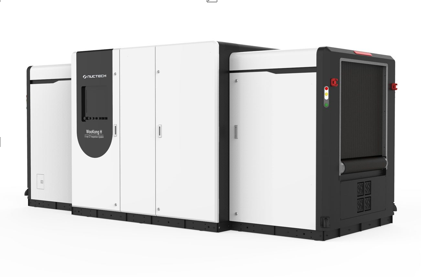
Moreover, the applications of these AI-powered cameras extend beyond just security. In retail, they can analyze customer behavior, helping businesses optimize store layouts and improve customer service. Advanced technologies like an x ray scanner baggage system are also being improved for enhanced security measures. In traffic management, they can monitor vehicle flow and detect violations, contributing to safer roads. The possibilities are endless, making smart cameras a game-changer across various sectors.
Biometric tech stepping up
Another exciting development in the world of security is the rise of biometric technology. Remember those spy movies where characters use fingerprint or retina scans to access secret labs? Well, that’s no longer just Hollywood fiction. Biometric systems are becoming increasingly common in our day-to-day lives, especially in enhancing public safety.
Facial recognition technology stands out as one of the most significant advancements in this field. It’s being used at airports, concerts, and even public squares to identify individuals from a crowd swiftly. The technology works by mapping facial features and comparing them with a database of known faces. While this raises some privacy concerns, its potential for preventing crimes and enhancing security is undeniable.
Beyond facial recognition, other biometric technologies like fingerprint scanning and voice recognition are also gaining traction. These methods offer a higher level of security compared to traditional ID cards or passwords. After all, it’s pretty hard to fake a fingerprint or mimic someone’s voice perfectly. As these technologies continue to evolve, they promise to make our world a safer place while also raising interesting debates about privacy and ethics.
Drones on patrol
Picture this: drones buzzing around, keeping an eye on things from above. Sounds like something out of a sci-fi movie, but it’s happening right now. Drones are increasingly being used for surveillance purposes, offering a unique vantage point that ground-based cameras simply can’t provide.
These flying gadgets are equipped with high-resolution cameras and can cover large areas quickly and efficiently. They’re particularly useful in monitoring large events like music festivals or sports games where deploying enough human security personnel would be impractical. Drones can patrol the skies, providing real-time footage to command centers and enabling quick responses to any incidents.
But it’s not just about keeping an eye on big crowds. In rural or remote areas where traditional surveillance infrastructure might be lacking, drones are invaluable. They can be deployed to monitor borders, forests, or even disaster-stricken regions where access is difficult. With advancements in battery life and autonomous navigation, drones are becoming an indispensable tool in the modern security arsenal.
Enhancing detection with iot sensors
The Internet of Things (IoT) has revolutionized many aspects of our lives, and security is no exception. IoT sensors are now being used to enhance detection capabilities across various environments. These tiny devices can be placed almost anywhere—doors, windows, pipelines—and they continuously monitor for any signs of trouble.
One of the standout features of IoT sensors is their ability to communicate with each other and with central systems in real-time. For example, if a sensor detects smoke or an unusual temperature rise in a building, it can instantly send an alert to the fire department and trigger sprinklers simultaneously. This kind of rapid response can be crucial in preventing disasters.
These sensors aren’t limited to detecting environmental hazards; they can also monitor structural integrity in buildings or bridges, track inventory in warehouses, and even ensure the proper functioning of critical machinery in industrial settings. By providing real-time data and analytics, IoT sensors help preempt issues before they become major problems.
See also: Six Exciting Things You Can #Do While At The Technology Raceway
Cybersecurity’s new role in physical spaces
Cybersecurity often brings to mind images of hackers typing away in dark rooms, but its role has expanded far beyond just protecting data on computers or networks. With the increasing integration of digital technologies in physical spaces, cybersecurity has become essential in safeguarding our physical environments as well.
Take smart buildings for example—these structures rely on interconnected systems for lighting, heating, security, and more. While this makes them more efficient and convenient, it also opens up potential vulnerabilities if not properly secured. A cyber attack on such a system could disrupt operations or even cause physical harm.
To mitigate these risks, cybersecurity measures are being integrated into the design and operation of modern infrastructure from the get-go. This includes everything from secure communication protocols for IoT devices to regular software updates and patches for critical systems. In this interconnected world, ensuring cybersecurity means protecting not just our data but our physical safety too.
The landscape of security technology is evolving at a rapid pace. Smart cameras powered by AI, biometric systems enhancing identification processes, drones patrolling the skies, IoT sensors providing real-time monitoring, and robust cybersecurity measures—we’re witnessing a remarkable transformation in how we keep our environments safe. While these advancements bring incredible benefits, they also prompt us to consider important questions about privacy and ethical use. As we move forward into this brave new world of technology-driven security, striking the right balance will be key to reaping the full benefits while safeguarding our fundamental rights.